
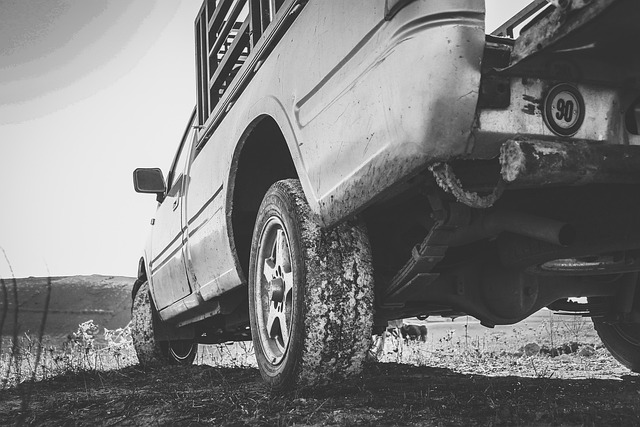







In the bustling city of Brownsville, Texas, where a significant portion of the local economy relies on robust transportation networks, keeping heavy-duty trucks in top condition is paramount. This comprehensive guide aims to equip fleet managers and mechanics with essential knowledge for maintaining and upgrading their vehicles, utilizing a fleet truck repair manual Brownsville, TX as a core resource. By following best practices and incorporating strategic upgrades, operators can ensure their fleets remain reliable, efficient, and safe on the roads.
Understanding Your Fleet’s Needs: A Comprehensive Assessment
Before diving into any repair or upgrade process, a thorough understanding of your fleet’s requirements is crucial. This involves several key steps:
1. Vehicle Inspection
Begin with a detailed inspection of each truck in your fleet. Document the current condition, identifying any wear and tear, routine maintenance needs, and potential issues that require immediate attention. Regular inspections form the foundation for proactive maintenance.
2. Analyze Operational Demands
Consider the diverse operational demands placed on your trucks. Are they primarily city-based delivery vehicles or long-haul freight carriers? Understanding typical usage patterns will guide you in selecting suitable upgrades and spare parts.
3. Environmental Factors
Brownsville’s climate plays a significant role in vehicle maintenance. High temperatures and humidity can accelerate corrosion, requiring regular attention to underbody components and paint jobs. Consider these environmental factors when planning repairs and upgrades.
Heavy-Duty Truck Upgrades: Enhancing Performance and Efficiency
Implementing strategic upgrades is an effective way to boost your fleet’s overall performance, reduce downtime, and lower long-term maintenance costs. Here are some essential considerations for heavy-duty truck upgrades in Brownsville, TX:
1. Engine Performance Optimization
- Turbocharging: For increased power and fuel efficiency, consider installing turbos on older engines. This upgrade improves acceleration and enhances overall performance, especially at higher altitudes.
- Engine Remapping: Reprogramming the engine control unit (ECU) can optimize fuel injection and ignition timing, resulting in improved torque delivery and reduced emissions.
- Aftertreatment Systems: Upgrading to modern diesel particle filters (DPF) and selective catalytic reducers (SCRs) is essential for meeting emission standards while ensuring optimal engine performance.
2. Transmission and Drivetrain Upgrades
- Automated Transmissions: Upgrading from manual transmissions to advanced automated gearboxes can significantly enhance driver comfort and improve fuel efficiency, especially in stop-and-go city traffic.
- Differential Upgrades: High-mileage trucks may benefit from upgraded differentials, offering better traction control and reduced wear on critical components.
- Axle and Chassis Strengthening: For heavy-load applications, reinforcing the axle and chassis can prevent structural damage and ensure safer operations.
3. Aerodynamics for Fuel Efficiency
Improving a truck’s aerodynamic profile is an effective way to reduce drag and lower fuel consumption. Consider these upgrades:
- Air Deflectors: Strategically placed air deflectors can direct airflow around the vehicle, reducing turbulence and minimizing fuel wastage.
- Windshield Apertures: Adjusting or adding windshield apertures allows for optimized air flow over the cab, further enhancing fuel efficiency.
- Side Skirts and Underbody Panels: These additions smooth out air flow under the vehicle, reducing drag and improving miles per gallon.
4. Tire Management and Safety
Tires are a critical component of any fleet’s overall performance. Implement these practices:
- Regular Tire Rotations: Prevent uneven wear by rotating tires according to manufacturer recommendations. This simple practice extends tire life and improves handling.
- Pressure Monitoring Systems: Install TPMS (Tire Pressure Monitoring Systems) to ensure optimal tire pressure, enhancing fuel efficiency and safety.
- High-Performance Tires: For improved grip and reduced rolling resistance, consider investing in high-quality tires designed for specific driving conditions.
Maintenance Tips for Optimal Fleet Performance
Regular maintenance is the cornerstone of successful fleet management. Here are some essential tips to keep your trucks running smoothly:
- Establish a Routine Service Schedule: Adhere to manufacturer-recommended service intervals for oil changes, filter replacements, and other critical tasks. Consistency is key to preventing unexpected breakdowns.
- Monitor Engine Oil Quality: Regularly test and change engine oil as per the vehicle’s requirements. High-quality oil ensures optimal engine performance and longevity.
- Check Exhaust Systems: Inspect exhaust pipes and components for signs of damage or corrosion, repairing or replacing them promptly to prevent leaks and ensure safe operation.
- Brakes: The Safety Critical System: Keep brakes in top condition through regular inspection and maintenance. Well-maintained brakes are essential for the safety of your drivers and other road users.
- Electrical Systems Check: Test all lighting, indicators, and electrical components periodically to prevent malfunctions that could impact vehicle performance or safety.
Frequently Asked Questions (FAQs)
Q: How often should I perform a complete fleet truck repair in Brownsville, TX?
A: The frequency depends on various factors, including mileage, operating conditions, and vehicle age. As a general guideline, conduct a full fleet truck repair every 3-5 years or after accumulating 100,000-150,000 miles.
Q: What are the signs that I need to upgrade my heavy-duty truck’s engine?
A: Look out for reduced power, increased noise, poor fuel economy, and frequent stalling. These indicators may suggest a need for engine overhauling or upgrading to a more modern powerplant.
Q: Can aerodynamics really make a significant difference in fuel efficiency?
A: Absolutely! Aerodynamic improvements can cut fuel consumption by 10-25%. Simple add-ons like side skirts and wind deflectors are cost-effective ways to start, offering quick returns on investment.
Q: How do I ensure my drivers perform routine maintenance checks effectively?
A: Provide comprehensive training and clear guidelines. Establish a reward system for drivers who maintain their vehicles well. Regularly communicate the importance of proper maintenance to foster a culture of accountability.
Conclusion: Investing in Your Fleet’s Longevity
In conclusion, maintaining and upgrading your fleet of trucks in Brownsville, TX, requires a strategic approach that combines regular maintenance with targeted upgrades. By following the guidelines outlined in this fleet truck repair manual Brownsville, TX, you can significantly extend the lifespan of your vehicles, enhance their performance, and ensure the safety of your drivers and cargo. Remember, each vehicle is unique, so tailor these recommendations to meet the specific needs of your fleet for optimal results.